
With an end goal of improving health outcomes, clinical healthcare organizations rely on having the right systems and information available to support patients and transact with providers and payers. The organization’s CRM must bring together data on patient behavior with information from past clinical encounters, The CRM must also integrate with other enterprise applications, including electronic medical records (EMR) and enterprise resource planning (ERP) systems, to yield broader insights. The CRM becomes the central system for patient intake, communications and outreach and must ensure compliance with privacy and other regulations.
In a clinical healthcare environment, the CRM must manage data effectively, ensuring only those individuals who need to access sensitive information are allowed to view it. The right CRM, set up correctly can lead to reduced costs, Improved patient engagement and satisfaction and better health outcomes.
At Periti, we’ve done dozens of SAP – HubSpot integrations and one thing we can say for sure is that every one is different. Before embarking on a HubSpot/SAP integration, it is important to understand the division of labor between Marketing Automation, CRM, and ERP. In which system does each process live? The answer to this will vary depending on the business and sales model.
In many companies, the ERP system is the ultimate source of truth and is also used for quote generation, even though it can be cumbersome to use it for this purpose. However, when FX rates might impact prices, and stock levels can impact availability and delivery time, it may be the best option. However, this is not the case in every sales model. In some cases, the CRM handles the entire sales process and hands over closed-won orders to the ERP for fulfillment and invoicing.
Let’s look at three basic variants. Each of these can be built upon by including further data, such as profit centre synchronisation or live warehouse stock level information. But what is necessary?
The guiding principle is relevance.
If a company has a handful of new customers each month, it may not require automatic synchronization from CRM to ERP. On the other hand, if the company has dozens of new customers each month, automatic synchronization is wise. In this case, the CRM is the leading system and passes the data to the ERP.
Suppose the majority of orders are placed online. In that case, it is most logical to integrate the order data from the eCommerce system or ERP into the CRM to enable behavior-based marketing to the customer base. The potential for cross- and upselling, replacement sales, and tracking canceled orders is significant and can greatly increase revenue. In this case, ERP is the leading system and passes the data on to CRM and marketing automation solutions.
When trading physical goods stored in warehouses, the salespeople need to be able to see each SKU’s stock level and location in real-time.
This results in better alignment between Sales, Marketing and Service, which leads to more efficiency, balance of growth and scale, and overall improved business results. And yes, a customer-facing engine that is at the core of your customer-related processes and metrics.
900+ Customers around the world have trusted Periti to deliver complex projects to unlock the full potential of Technology. That is how we reached HubSpot Elite status and ranked in the top 3 global HubSpot partners in 2024.
Reach out and help us to become #1
The right CRM will track patient interactions, medical history, and other relevant data allowing providers to deliver personalized care and improve patient engagement while streamlining operations. Armed with a unified view, the user will be well prepared to best support patients. With full visibility, providers can make better decisions and referrals.
Clinical healthcare companies can integrate their CRM with other critical systems and device automations and workflows that streamline contract management, handle appointment booking and scheduling, manage payment processing, facilitate personalised communications, and more. The right system will enable seamless scaling of operations. Payers will have sufficient information to promptly process claims and payments. By integrating and streamlining operations, healthcare companies can lower costs, provide hyper-personalized communications and deliver individualized care in real-time, from anywhere.
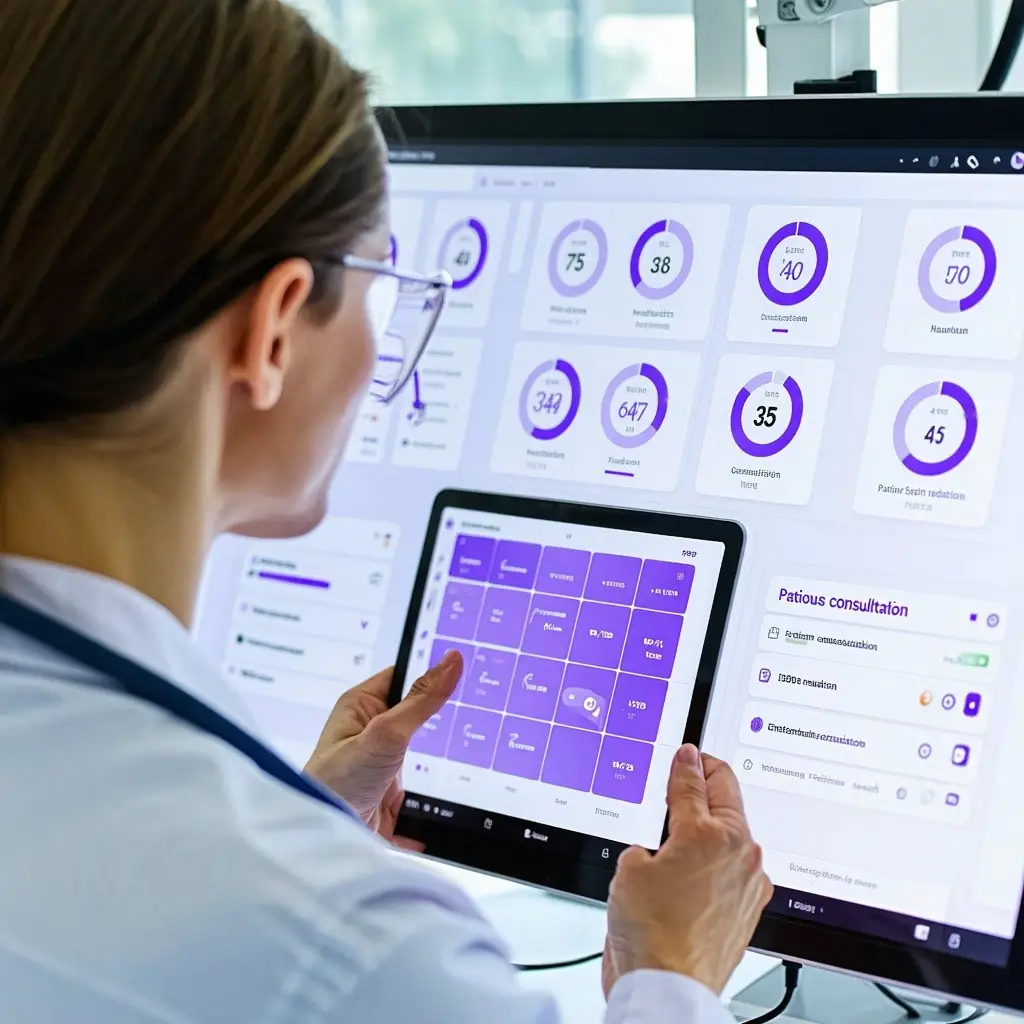
Augmenting standard reports with customized dashboards provides visibility to relevant information to individuals with different functions in a clinical healthcare organization. From patients, to providers to facilities to payers, users can get the information at the detail level they need when they need it. Having the right information at hand leads to better decisions. This ability is impossible with siloed systems.
In clinical healthcare, data privac is not a nice-to-have. It is a must-have. Regulations such as HIPAA require that patient data be protected. HubSpot has the ability for Super Admins to create highly sensitive properties, which are custom properties designed to store highly sensitive information, such as Social Security Numbers (SSN) or health data. Highly sensitive data properties have click-to-decrypt functionality, specific access restrictions, and an extra layer of platform encryption to protect them.
By adding the ability to store highly sensitive data in HubSpot Smart CRM, the platform empowers clinical healthcare organizations to ensure compliance with governmental regulations. WIth the right permissions, all users can safely view, store, and use this sensitive customer data to deliver more personalized patient experiences.

Some of our smaller providers tend to use HubSpot for many functions, from integrating with applicant tracking system, to scheduling nurses with a specific skill to a patient with a specific need, to simple appointment management, to post treatment nurturing programs – e.g. 3 days after surgery, expect x, 5 days, expect y.
Get in touch with our team to discuss how we can help and implement CRM into your Heathcare business.

Periti Digital doesn’t implement AI for its own sake — we embed it where it matters most: inside the critical business processes that drive revenue, compliance, and operational continuity, ensuring automation delivers measurable outcomes rather than marginal efficiency gains